
September is a month of transition in Utah.
We buy silver to mark the seasonal shift.
Additionally, Summer is winding down.
School is back in session, mornings are getting cooler, and the final months of the year are coming into view.
It can also be a good time to take another look at your financial goals.
Maybe you’ve been trying to save more.
Perhaps you’ve become interested in precious metals.
Or maybe you’ve been watching silver prices and wondering when it makes sense to buy physical silver.
We buy silver when it fits your goals.
At Big Dog Pawn in Murray and West Jordan, Utah, we see customers with all levels of experience. Some have been buying silver for years. Others are purchasing their first silver round or coin.
No matter where you are in that journey, there’s one lesson worth learning:
The price you pay matters.
Understanding silver spot price, premiums, and what it means to buy silver at or below spot. This can help you become a more informed precious-metals buyer.
September is a great time to learn.
Start With Silver Spot Price
Before comparing silver products, you need a reference point.
That’s where silver spot price comes in.
The spot price is the current market benchmark for silver, generally quoted in U.S. dollars per troy ounce.
One troy ounce is approximately 31.1 grams and is the standard measurement commonly used for precious metals.
Silver’s spot price isn’t fixed.
It moves throughout the trading day as buyers and sellers participate in global precious-metals markets. Economic conditions, investor demand, industrial demand, currencies, interest rates, supply concerns, and other factors can influence silver prices.
You don’t need to become a commodities expert to buy physical silver.
But knowing the approximate spot price when you shop can give you important context.
Spot Price Isn’t Usually the Retail Price
New silver buyers sometimes see the spot price online and expect to walk into a store and purchase a physical ounce of silver for exactly that amount.
Normally, that’s not how physical silver works.
Physical silver typically sells for spot plus a premium.
A premium is the amount added above the silver spot price.
Why is there a premium?
Turning raw silver into a finished product costs money. Silver must be refined, minted into coins, rounds, or bars, packaged, transported, distributed, stored, insured, and ultimately made available to a retail customer.
Those costs don’t disappear just because the silver itself has a market value.
Different products can also carry different premiums.
A privately minted one-ounce silver round may have one premium while a government-issued coin has another. Larger bars may be priced differently on a per-ounce basis. Collectible coins may have additional value that has little to do with their silver content.
That’s why comparing the retail price to spot can tell you more than simply looking at the price tag.
Why Your Entry Price Matters
Suppose two people each decide they want to own physical silver.
For illustration, imagine silver spot is $50 per ounce.
The first buyer purchases one ounce for $57.
The second finds an opportunity to purchase a qualifying ounce for $50.
Both own an ounce of silver, but they didn’t pay the same amount to acquire it.
The first buyer started $7 above spot.
The second buyer started at spot.
Now imagine another qualifying opportunity allowed a buyer to purchase that ounce for $49.
That buyer acquired the silver below the $50 spot benchmark.
Silver’s future price could rise or fall for all three buyers. No purchase price guarantees a profit.
However, starting with a lower acquisition cost can matter.
This is one reason experienced physical silver buyers pay attention not only to what they’re buying, but also to how much they’re paying relative to spot.
What Does Below Spot Actually Mean?
The phrase “below spot” can sound like advertising language if you don’t understand silver pricing.
Once you understand spot, it means something very specific.
Buying qualifying silver below spot means paying less than the current spot value of the silver content, based on the pricing terms of the particular offer.
In a normal retail transaction, you might see:
Spot price + premium = retail price.
In a below-spot transaction, the equation can temporarily become:
Spot price – discount = promotional purchase price.
That is unusual because physical silver ordinarily carries a premium.
Of course, customers should always read the terms of any promotion carefully. Offers may involve specific silver products, quantities, limits, eligibility requirements, or other conditions.
But understanding the concept means you’ll know why silver buyers pay attention when a genuine below-spot opportunity becomes available.

Is Silver a Good Investment?
Silver can play a role in a diversified financial strategy, but it is important to approach it realistically.
Silver is not a guaranteed investment.
Its price can increase, and it can decrease.
Physical silver also has buying and selling spreads. The price you pay to buy an ounce isn’t necessarily the amount a dealer would pay you for that same ounce at the same moment.
That said, physical silver has characteristics that appeal to many buyers.
It’s a tangible asset.
Silver has been valued for centuries.
It also has significant industrial applications, including uses in electronics, electrical components, solar technology, and manufacturing.
Some people purchase silver as a long-term store of value. Some want precious metals as one portion of a diversified portfolio. Others simply enjoy accumulating physical silver.
Collectors may be drawn to particular coins or designs.
There isn’t one universal reason to own silver.
The important thing is knowing why you’re buying it and understanding that its value can fluctuate.
You Don’t Have to Buy a Lot at Once
Silver buying doesn’t have to begin with a large bar or a major financial commitment.
Many people start small.
You might buy a single ounce.
Then you watch the market.
Later, you might add another.
Over time, individual purchases can become a silver stack.
This approach also gives new buyers an opportunity to learn the market.
You’ll begin noticing how spot moves. You’ll see the differences between rounds, coins, and bars. You’ll become familiar with .999 fine silver and other purity markings.
You’ll also begin recognizing premiums.
Most importantly, you’ll become better at recognizing when a price is ordinary and when an opportunity deserves a second look.
September Is a Good Time to Become a Silver Watcher
You don’t need to check silver prices ten times a day.
Instead, make September the month when you begin paying occasional attention.
Check spot once or twice a week.
Notice whether silver is moving higher or lower.
When you visit a precious-metals dealer, compare the price of physical silver with the current spot price.
Ask what premium is being charged.
Look at different types of silver.
Ask questions.
By doing this, you’re developing something valuable before you spend a significant amount of money: knowledge.
And knowledge becomes especially useful when the year begins moving toward its final months.
Think Beyond Today’s Silver Price
One of the most common questions people ask about precious metals is whether today is the “right” day to buy.
Nobody can know with certainty what silver will do tomorrow, next month, or next year.
Trying to perfectly time any market can be difficult.
Instead, some physical silver buyers focus on gradually accumulating metal at prices they’re comfortable with.
They may also pay particular attention when premiums are lower or when an unusual pricing opportunity becomes available.
That’s where understanding your entry price becomes valuable.
You can’t control tomorrow’s silver spot price.
You can control whether you understand the price you’re being asked to pay today.
Know What You’re Buying
Not everything that looks silver is investment-grade silver bullion.
When shopping for physical silver, look at weight and purity.
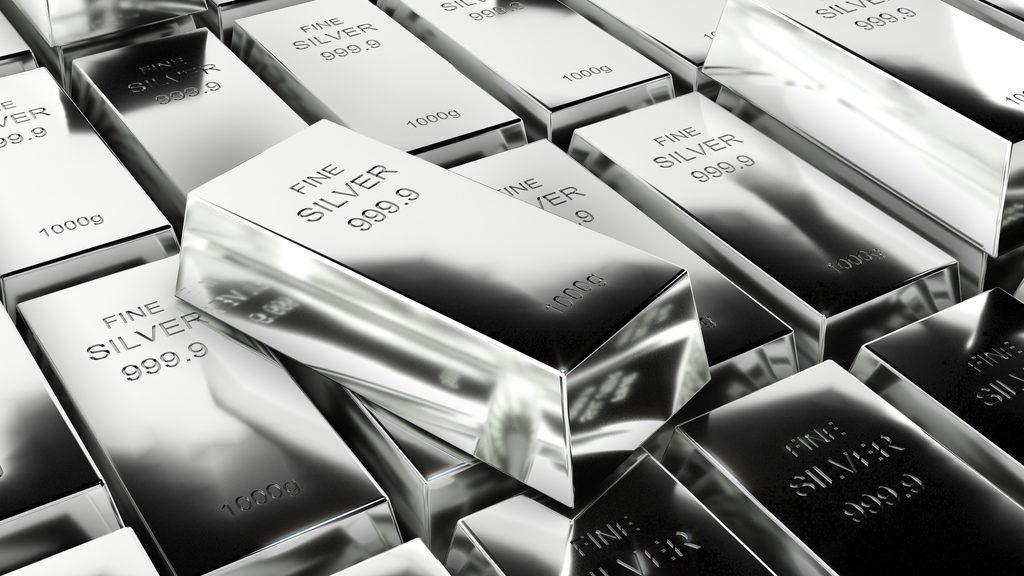
For example, .999 fine silver indicates that an item is 99.9% silver.
You may see markings showing both purity and weight on silver rounds and bars.
Coins can be different.
Some contain less than one troy ounce of silver. Older U.S. coins may contain a percentage of silver rather than being .999 fine. Certain collectible coins can also be worth more than their metal value because of rarity, condition, or collector demand.
If you don’t know what you’re looking at, ask.
The Big Dog Pawn team can help you understand the differences between various precious-metal products available in the store.
Big Dog Pawn Buys Silver, Too
Learning about silver spot price is just as useful if you already own silver.
Perhaps you’ve inherited coins.
Maybe you’ve accumulated silver rounds or bars and are considering selling some of them.
You could also have silver jewelry or other precious-metal items you’re no longer using.
Bring them into Big Dog Pawn and let the team take a look.
Weight, purity, condition, collectibility, current market conditions, and demand can all affect an item’s value.
Knowing the spot price gives you a reference point, but it doesn’t mean every silver item will buy or sell for exactly spot.
That’s another reason understanding the difference between spot, retail prices, and dealer buying prices is important.
Let September Prepare You for What Comes Next
August may have been the month you started learning what silver spot price means.
Let September be the month you start putting that knowledge to work.
Watch spot.
Learn what premiums look like.
Compare silver rounds, bars, and coins.
Decide what type of physical silver interests you.
Think about how much you would comfortably spend.
And pay attention to the difference between buying above spot, at spot, and below spot.
As fall progresses and the final months of the year get closer, you’ll be better prepared to recognize value when you see it.
Sometimes the best opportunity isn’t simply finding silver for sale.
It’s understanding when the price of that silver is unusually attractive.
Visit Big Dog Pawn in Murray and West Jordan
You don’t have to learn about silver entirely online.
Come see it.
Visit Big Dog Pawn in Murray or West Jordan and take a look at the physical silver available. Ask about silver coins, rounds, bars, weight, purity, premiums, and current spot price.
If you’re new to precious metals, start with questions.
If you’re already a silver buyer, keep watching the market and watching Big Dog Pawn.
And if you have silver, gold, coins, bullion, or jewelry you’re considering selling, bring those items in and find out what options are available.
Big Dog Pawn serves customers throughout Murray, West Jordan, Sandy, Midvale, Taylorsville, South Jordan, Salt Lake City, and the surrounding Salt Lake Valley.
September is a good time to learn.
It’s a good time to watch.
And it’s a good time to understand exactly why the words “at spot” and “below spot” can mean so much to a physical silver buyer.
The year isn’t over yet.
Keep watching silver. Keep watching spot. And keep an eye on Big Dog Pawn.
Knowing what constitutes a great silver price before an opportunity arrives is what helps you recognize it when it does.

0 Comments