
August and September are months when many Utah families start thinking ahead.
Summer vacations are winding down. School is starting. Fall is around the corner, and before long, attention will turn toward the final months of the year.
It can also be a good time to think about your savings, the assets you own, and where precious metals like silver might fit into your financial plans.
At Big Dog Pawn in Murray and West Jordan, Utah, we buy and sell silver, gold, bullion, coins, and other precious metals. But before buying physical silver, there’s one term every customer should understand:
Spot price.
Understanding silver spot price can help you become a more informed buyer. It can help you compare prices, understand premiums, and recognize why an opportunity to purchase silver at—or even below—spot price can get the attention of silver buyers.
So, what exactly does it mean?

What Is the Silver Spot Price?
The spot price of silver is the current market reference price for silver, typically quoted in U.S. dollars per troy ounce.
A troy ounce is the measurement traditionally used for precious metals. One troy ounce is approximately 31.1 grams.
Silver’s spot price changes as the global market trades.
You may check silver in the morning and see one price, then look again later and see something different.
That’s normal.
The spot market is influenced by a variety of factors, including supply and demand, industrial use, investor activity, interest rates, currencies, inflation expectations, and broader economic conditions.
For a physical silver buyer, however, the important thing to remember is this:
Spot is the starting point. It usually isn’t the final retail price you pay for physical silver.
Why Does Physical Silver Usually Cost More Than Spot?
Imagine that the silver spot price is $50 per troy ounce. This is only an example, not a current quote.
You walk into a store and see a one-ounce silver round priced at $55.
Why isn’t it $50?
The answer is the premium.
Physical silver has costs beyond the underlying value of the metal. Silver has to be refined, formed into a bar, round, or coin, transported, stored, insured, handled, and ultimately made available to a retail customer.
Those costs contribute to the premium.
In our hypothetical example:
Silver spot price: $50
Retail price: $55
Premium: $5
The amount of the premium varies.
A generic silver round may have a different premium than a government-minted coin. A one-ounce product may have a different per-ounce premium than a larger bar. Collectible or numismatic coins may also be valued for reasons beyond their silver content.
This is why knowledgeable silver buyers don’t look only at the final price.
They ask:
How much am I paying compared with spot?
What Does Buying Silver at Spot Mean?
Now things get interesting.
If you buy qualifying silver at spot, you’re purchasing it at the current spot-price benchmark without the normal retail premium being added to that qualifying purchase.
That’s why silver buyers pay attention when legitimate at-spot opportunities appear.
You’re reducing one of the costs normally associated with acquiring physical silver.
But there’s another phrase that can be even more interesting:
Below spot.
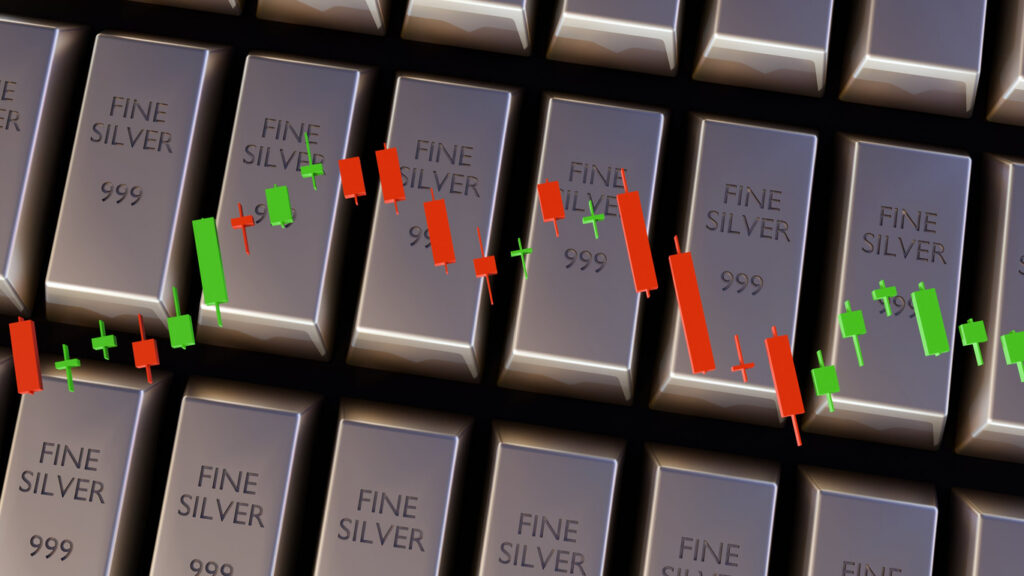
What Does Buying Silver Below Spot Mean?
Buying below spot means the purchase price for the qualifying silver is less than the spot value of its silver content at the relevant pricing time, subject to the specific terms of the offer.
Let’s use another simple hypothetical example.
Suppose silver spot is $50 per troy ounce.
Normally, a physical silver product might sell for $50 plus a premium.
If a qualifying one-ounce .999 fine silver item were offered for $49 during a legitimate promotion, you would be purchasing that qualifying ounce for $1 below the $50 spot benchmark.
Instead of:
Spot + premium
you would be paying:
Spot – discount
That’s very different from the way physical bullion is ordinarily priced.
And it’s why understanding spot before you shop matters.
If you don’t know what spot means, “below spot” may sound like just another sale.
Once you understand the numbers, you understand why precious-metals buyers notice.
Does Buying Below Spot Guarantee a Profit?
No.
This is an important distinction.
Buying silver below the current spot price gives you a lower entry price relative to that market benchmark, but it does not guarantee that you’ll make money.
Silver prices fluctuate.
Spot could rise after you buy.
It could also fall.
There is also typically a difference between what a dealer charges when selling silver and what a dealer pays when buying it back. That difference is commonly called the spread.
That’s why physical silver should be viewed with realistic expectations rather than as a guaranteed quick profit.
The advantage of buying at a lower price is straightforward:
You’re starting with a lower acquisition cost.
For someone who already wants to own physical silver, reducing the premium—or purchasing qualifying silver below spot during a legitimate promotion—can make the entry price more attractive.
Why Do People Buy Physical Silver?
People buy silver for many reasons.
Some enjoy collecting coins, rounds, and bars.
Others appreciate having a tangible asset they can physically hold.
Some buyers use precious metals as one part of a broader, diversified approach to savings and investing.
Silver also has significant industrial uses, which distinguishes it from assets valued primarily for investment or collectible purposes.
And unlike money sitting in an online account, physical silver is exactly that:
Physical.
You can hold it.
You can store it.
You can sell it.
You can pass it down.
For some people, that tangibility is part of the appeal.
However, silver shouldn’t replace emergency savings or be treated as a guaranteed return. Its market price can be volatile, and buying and selling physical metal involves premiums and spreads.
The better approach is to understand what you’re purchasing and why you’re purchasing it.
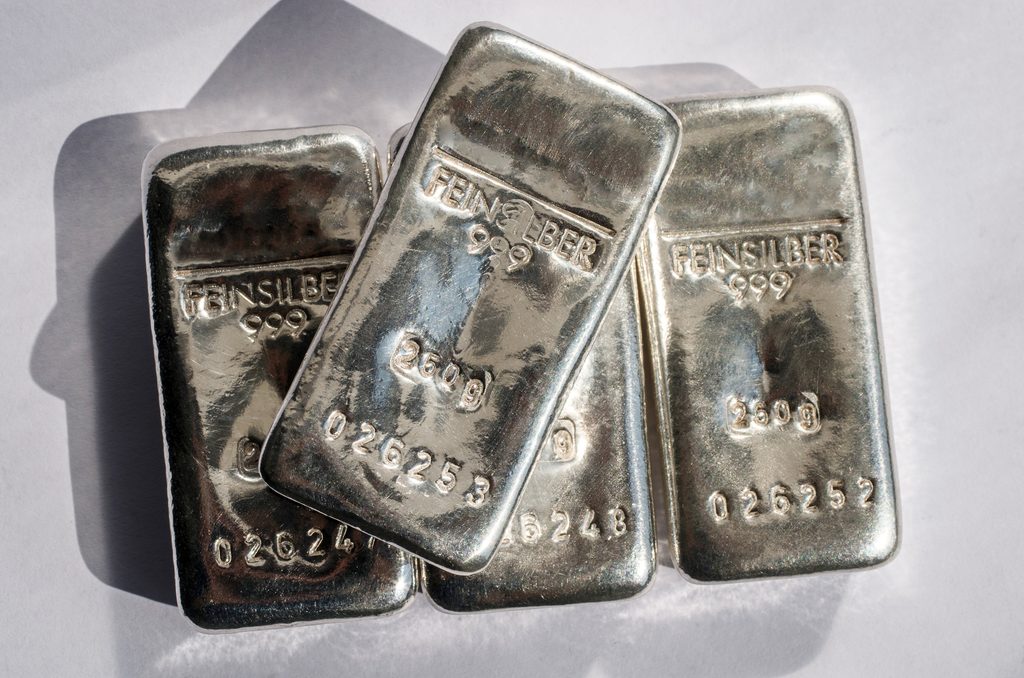
Silver Can Be an Easy Precious Metal to Understand
You don’t need to begin with hundreds of ounces.
You can start by learning.
Understand what .999 fine silver means.
Learn the difference between coins, rounds, and bars.
Watch the spot price.
Learn what premiums are.
Compare retail prices with spot.
And decide how much you’re comfortable spending.
For many new buyers, purchasing one ounce can be more educational than reading twenty articles about silver.
Once you’re holding a one-ounce .999 fine silver round in your hand, terms like weight, purity, spot, and premium begin to make much more sense.
August and September Are Good Months to Start Watching Silver
As summer transitions into fall, consider adding silver spot prices to the things you watch periodically.
You don’t have to check every hour.
Instead, start becoming familiar with how the market moves.
What is silver trading for?
How much does physical silver cost compared with spot?
What are typical premiums?
What kinds of silver are available?
When you understand the normal market, you’ll be much better prepared to recognize an unusual buying opportunity when one appears.
And that’s important because not every silver sale is equal.
A “$5 off” sale doesn’t tell you much unless you know the original price.
A percentage discount doesn’t necessarily tell you how the price compares with the actual silver content.
But spot gives you a market reference point.
That’s why experienced precious-metals buyers pay attention to it.
Big Dog Pawn Buys Silver, Too
Learning about spot isn’t only helpful when you’re buying.
It’s useful when you’re selling.
Big Dog Pawn buys and sells gold, silver, coins, bullion, jewelry, and other precious-metal items at its Murray and West Jordan locations.
If you have silver rounds, bars, coins, jewelry, or other silver items sitting at home, bring them in and find out what you have.
The value of a particular item may depend on its weight, purity, condition, market demand, and other factors.
Some coins may have value beyond their metal content.
That’s another reason it’s worth having an item evaluated rather than making assumptions based solely on weight.
Become a Smarter Silver Shopper Before the End of the Year
Between August and September, start paying attention.
Learn the spot price.
Understand premiums.
Learn what you’re buying.
Ask questions.
Compare prices.
And, most importantly, understand what it actually means when someone says silver is being sold at spot or below spot.
That knowledge puts you in a much better position when a real opportunity comes along.
At Big Dog Pawn, we want our customers to understand what they’re buying—not simply buy because someone told them silver is a good deal.
Visit Big Dog Pawn in Murray or West Jordan
If you’re curious about physical silver, stop by Big Dog Pawn & Jewelry and start learning now.
Big Dog Pawn has two convenient Salt Lake Valley locations: 9361 South Redwood Road in West Jordan and 6610 South State Street in Murray.
Come in and see the silver that’s available. Ask about bullion, rounds, coins, purity, weight, spot prices, and premiums. If you already own silver you’d like to sell, bring it with you and ask for an evaluation.
Most importantly, keep watching Big Dog Pawn as the year moves forward.
There are ordinary opportunities to buy silver.
There are opportunities to buy close to spot.
And then there are the kinds of opportunities that make you very glad you learned what below spot means before they arrived.
If you’re in Murray, West Jordan, Sandy, South Jordan, Salt Lake City, or elsewhere in the Salt Lake Valley, make Big Dog Pawn one of your local stops for buying and selling precious metals.
Learn now. Watch spot. Know the difference between spot and premium. And be ready to recognize an exceptional silver-buying opportunity when you see one.

0 Comments